
The 1995 Oklahoma City Bombing
Timothy McVeigh parked a van filled with explosives in front of the Federal Building, killing 168 people

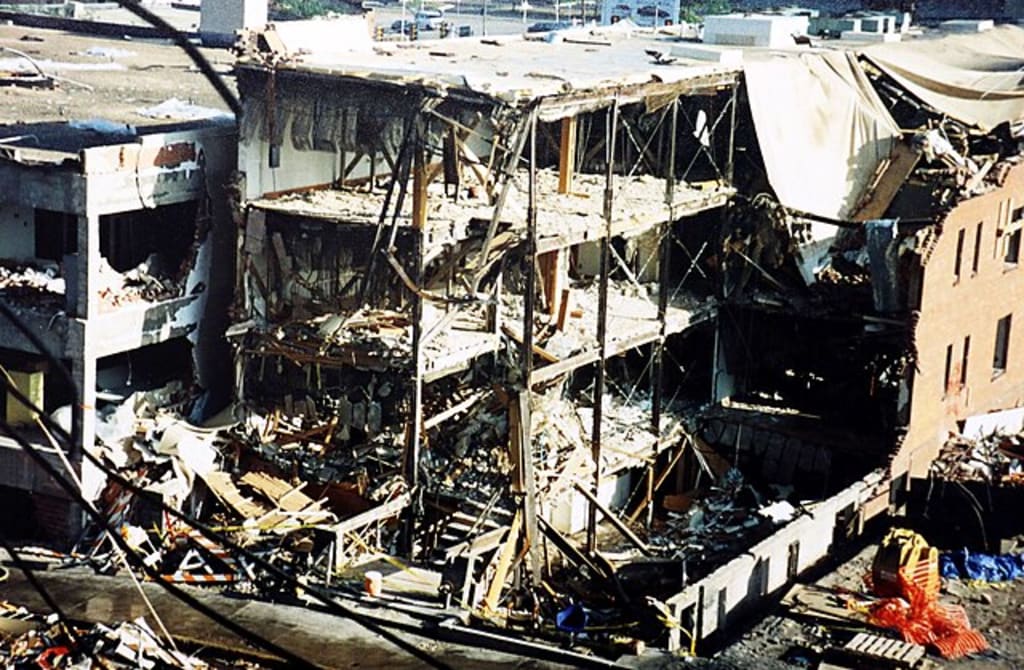
Terrorism and mass shootings no longer shock most Americans. We've heard and seen it all before, more than a few times. Nowadays, we scroll past the post or flip the TV channel without much thought. Perhaps terror attacks are so common that we expect them. We aren't surprised. It hasn't always been this way. There was a time when terror attacks and mass shootings rarely happened. Those rare events shocked people to their core. It left them fearful, yet communal, ready to come together for the betterment of our country.
Americans blamed Middle Easterners for every terror attack on American soil.
The 1995 Oklahoma City Bombing forced Americans to wake up and accept a big gulp of truth: not all terrorists have brown skin and wear hijabs. Even Americans can be terrorists.
On April 19, 1995, Timothy McVeigh parked a moving van in front of the Alfred P. Murrah Federal Building in Oklahoma City. He set a timer and walked away. At 9:02 a.m., the van exploded, and life changed in Oklahoma City forever.
Bang! The explosion screamed for miles.
Buildings crumbled to the ground. Windows shattered; glass fell to the ground. Office chairs, papers, and office equipment litter the ground. Debris flew in every direction. The federal building had been reduced to a pile of debris with bodies buried underneath.
Crushed cars, bricks from buildings, and glass filled the streets.
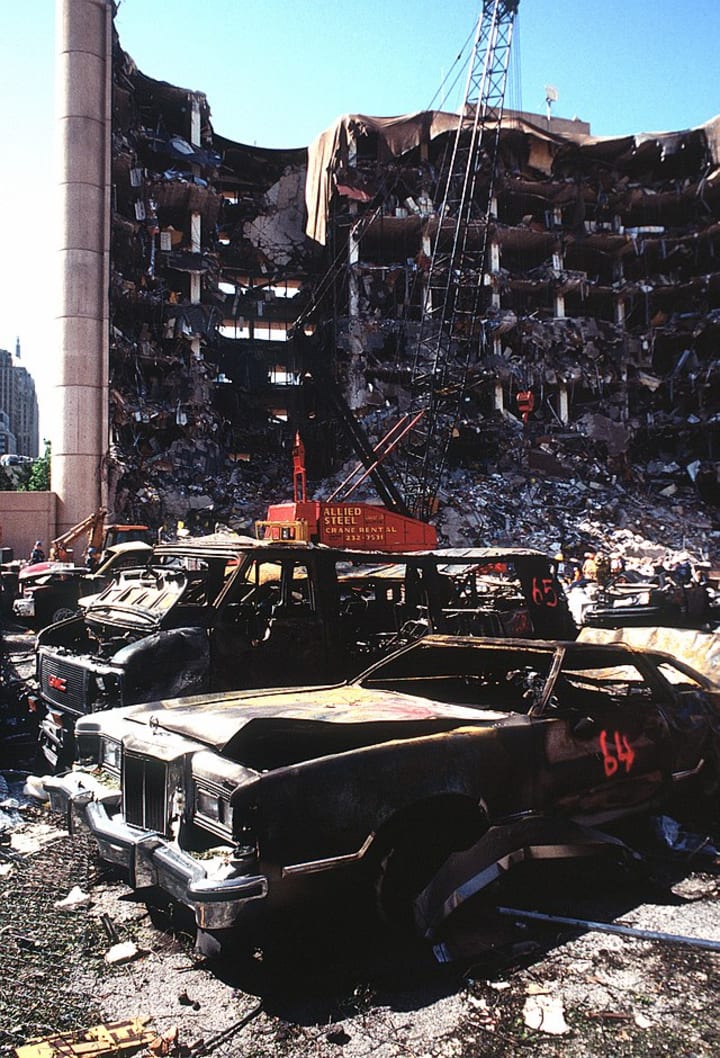
Thick smoke filled the air, making it difficult to see or breathe. The smell of burning rubber, gasoline, and dead bodies was sickening. This was a picture of sheer destruction.
Structures located miles away from the federal building shook.
For a second, the city stood still. Slowly, people regained their composure and realized the travesty that had just occurred.
Downtown Oklahoma City was left in ruins.
Rescue crews arrived within minutes. There was no time to try to wrap their heads around what had happened; they had lives to save and bodies to recover.
Crews worked tirelessly 24/7 over the next three days. In total, more than two weeks passed before all the bodies had been recovered. Clean-up efforts continued until the end of June. When the smoke cleared, 168 people were dead, including 19 children. Another 600 people were seriously injured. It remains one of the deadliest terrorist attacks in U.S. history.
All-American Extremists
Timothy McVeigh despised the government. His accomplice, Terry Nichols, shared those sentiments. The men believed government agencies oppressed the American people. In their minds, the government was out to get Americans. McVeigh convinced himself that he was a patriot and the bombing was an act to protect America.
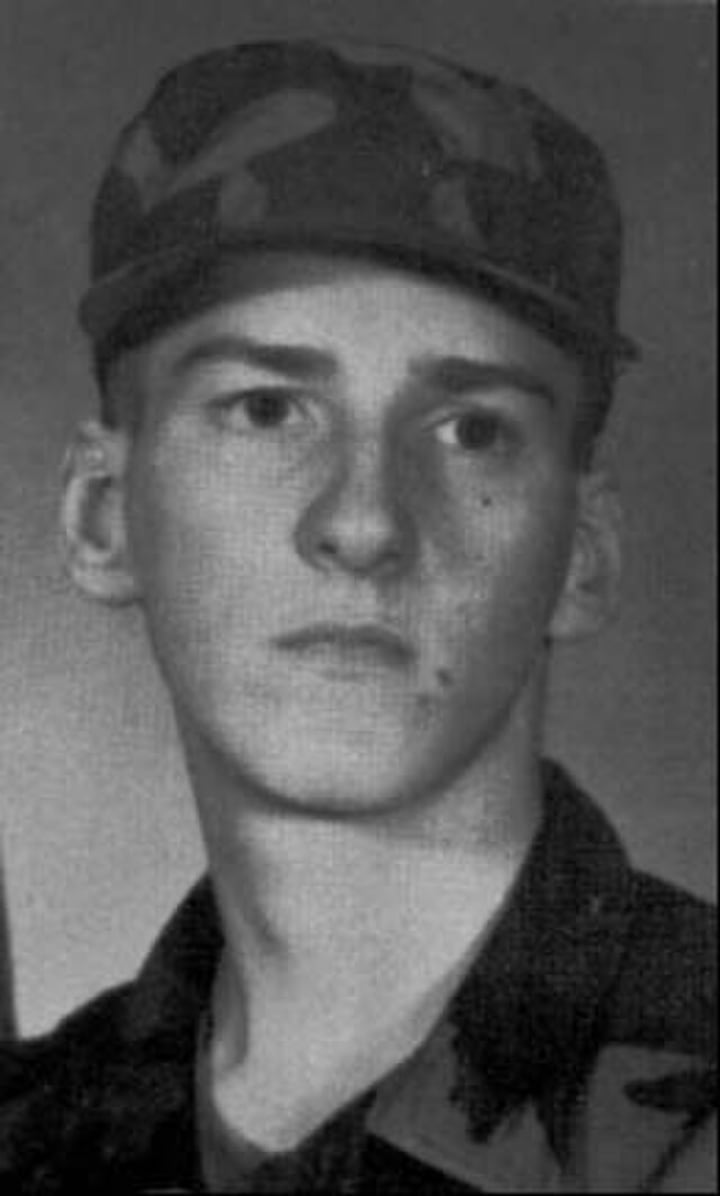
McVeigh did not fit the description of a terrorist. He was clean-cut, articulate, and a former highly decorated U.S. Army soldier. Nichols was a family man, a law-abiding citizen with a clean criminal record.
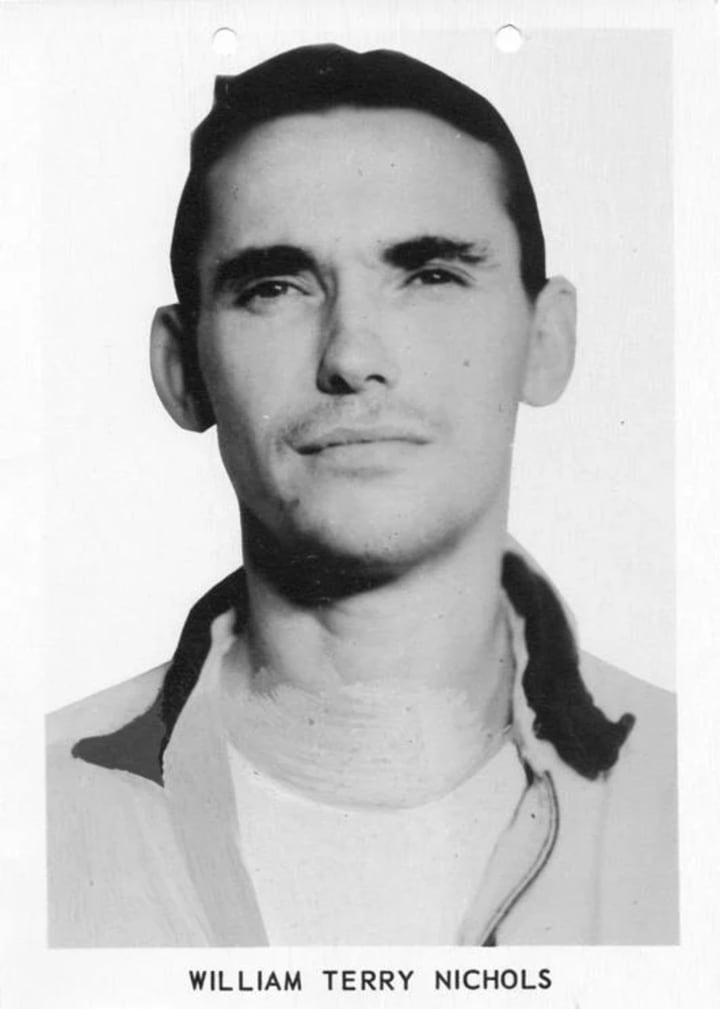
McVeigh once held a deep devotion for his country. He supported the military, police, and other agencies. The 1992 Ruby Ridge incident changed his views. He blamed the government for the deaths of the three civilians. When the 1993 Waco Siege occurred, he again blamed the government. But something changed this time. His calm demeanor and supportive nature had disappeared. He was enraged and felt he was the patriot to take a stand and make a change.
He intentionally chose the Federal Building. The building housed several government agencies: the U.S. Secret Service, the F.B.I., the Social Security Administration, the U.S. Army Recruiting Office, and the Bureau of Alcohol, Firearms, and Tobacco. A daycare also existed inside the facility.
He meticulously planned the attack and never considered that he would be caught. Sure, he knew agents would look for the bomber, but he believed that he was too smart to get caught.
Bombing Suspects Arrested
About 90 minutes after the bombing, Oklahoma Highway Patrol Officer Charlie Hanger spotted a vehicle traveling without a license plate. He conducted a traffic stop, unaware that the man behind the wheel was the bomber. McVeigh was arrested after the officer found a gun concealed on his person. Investigators later connected him to the bombings. He was convicted of the attack and executed in 2001.
Nichols returned to Michigan with his family after constructing the bombs. The family relocated to Kansas, but freedom was short-lived. He turned himself in to the authorities on April 21, 1995, after seeing himself on a nightly news broadcast.
Speaking to authorities, Nichols denied helping McVeigh with the bombing. He admitted constructing the explosives, but claimed he didn't know McVeigh's intentions. Evidence presented at trial showed Nichols shared the same beliefs as McVeigh. He was involved in the planning of the attack.
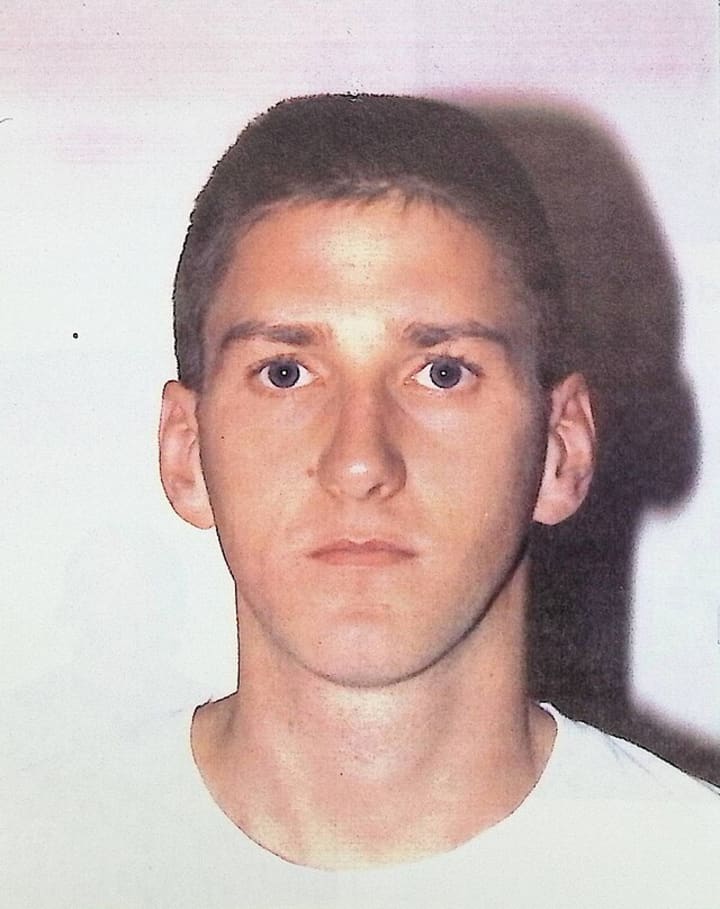
He was convicted and sentenced to 161 life sentences without parole. He is serving his time in federal prison at ADX Florence in Colorado.
A Raw Reality: The True Face of Terrorism
The news that two Americans bombed the federal building shocked many Americans. How could two good 'ole boys betray the U.S.? It felt like an emotional punch to the gut. People were forced to face the truth that anyone, even their own kind, can be criminal terrorists. McVeigh was an early example of what can happen when extreme beliefs mix with anger and rage.
About the Creator
Criminal Matters
The best of the worst true crime, history, strange and Unusual stories.
Graphic material. Intended for a mature audience ONLY.
Follow me @ facebook.com/criminalmatterspage
Keep reading
More stories from Criminal Matters and writers in Criminal and other communities.
Inside the Sordid World of Jeffrey Epstein and What His Troubling Emails to Women Really Reveal
There’s something almost hypnotic about the Epstein document archive. Sitting down to explore it isn’t just research—it’s immersion. Hours disappear as you scroll through emails, attachments, and fragments of conversations that hint at a larger system operating behind the scenes. The sheer volume alone is overwhelming. And yet, paradoxically, what’s most striking isn’t what’s there. It’s the constant awareness that much more may still be missing.
By Lawrence Lease6 days ago in Criminal



Comments
There are no comments for this story
Be the first to respond and start the conversation.