
Gene Roddenberry Vs 'The Ice Pirates': The Feud that Never Happened
IMDB trivia is basically the wild west of Liberty Valance, where the legend replaces the truth.

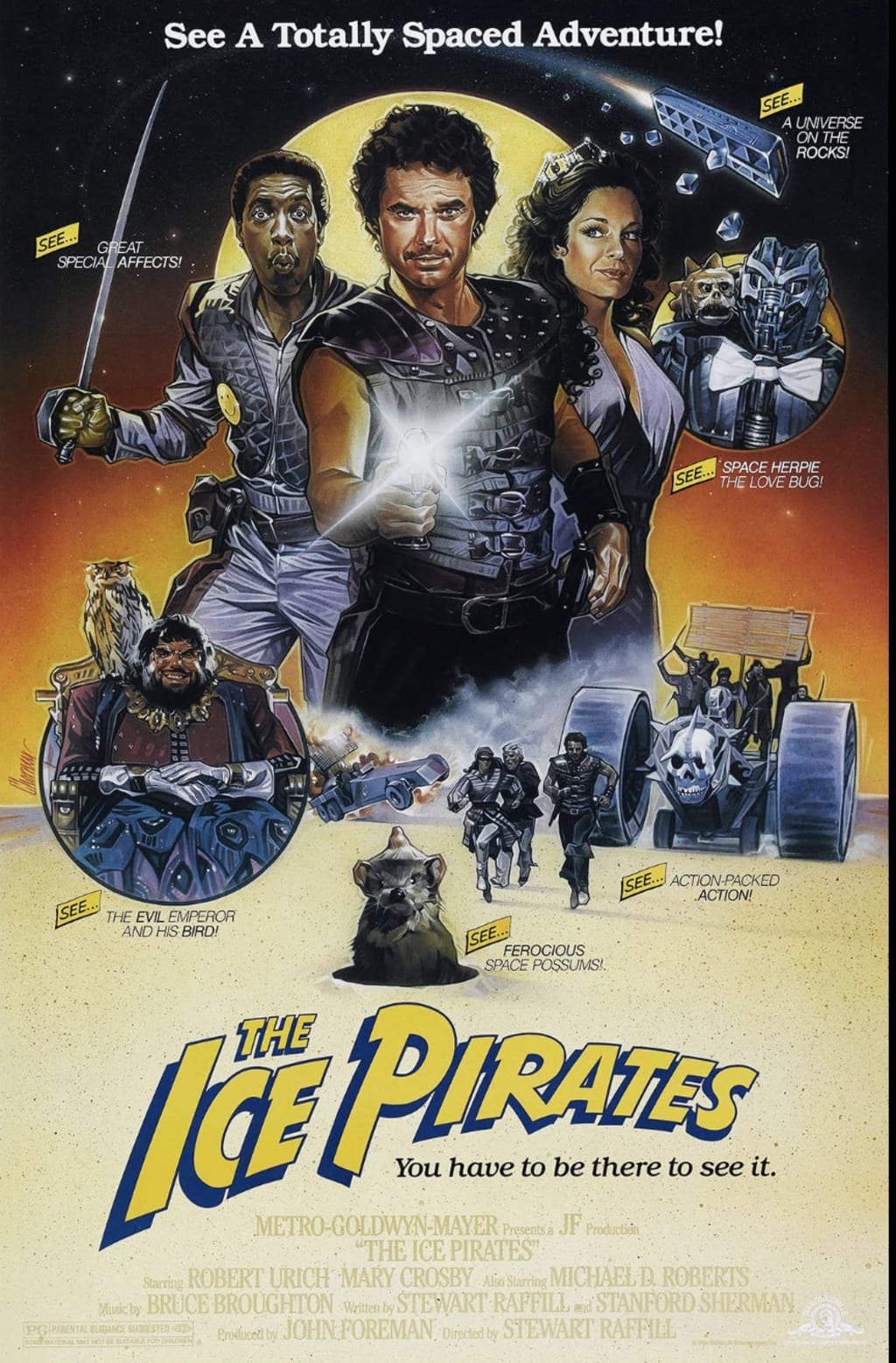
IMDb is both indispensable and deeply unreliable. It is the first place most film lovers go when curiosity strikes. Who wrote that scene? Where was that filmed? Why does that actor look familiar?
But IMDb is also something else: a digital folklore machine.
It presents itself with the authority of a database, but its trivia sections often operate more like oral history—stories passed along without verification, shaped less by truth than by plausibility. It’s less a reference work and more a campfire, where myths about movies gather warmth simply because they sound right.
And once those myths are written down, they begin to calcify.
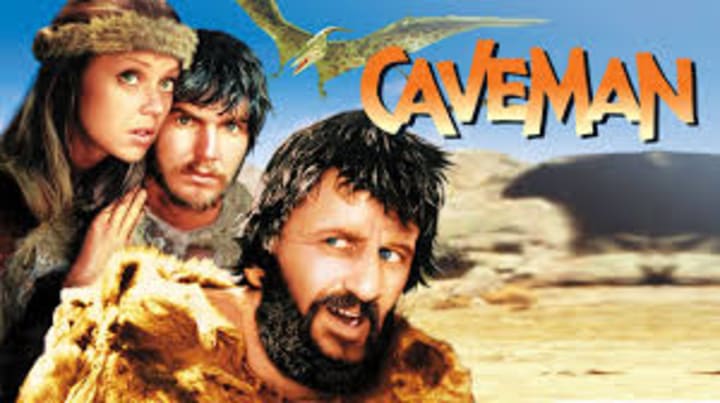
The Ringo Starr Myth That Never Happened
This became clear to us while researching Caveman, the strange and charming prehistoric comedy starring Ringo Starr. While browsing IMDb trivia, we stumbled onto something bizarre: a claim that Starr had secretly appeared in Radio, the football drama starring Cuba Gooding Jr..
According to the trivia entry, Starr appeared anonymously in a mascot costume.
It was absurd. But it was also specific enough to demand investigation.
We dug into production timelines. Starr wasn’t even in the country during filming. No production notes, interviews, or crew records connected him to the film. No corroboration existed anywhere—not in trade publications, not in biographies, not in press archives.
It wasn’t obscure truth. It was fiction.
Which raises a disturbing question: how did it get there in the first place?
Someone invented it. And IMDb published it.
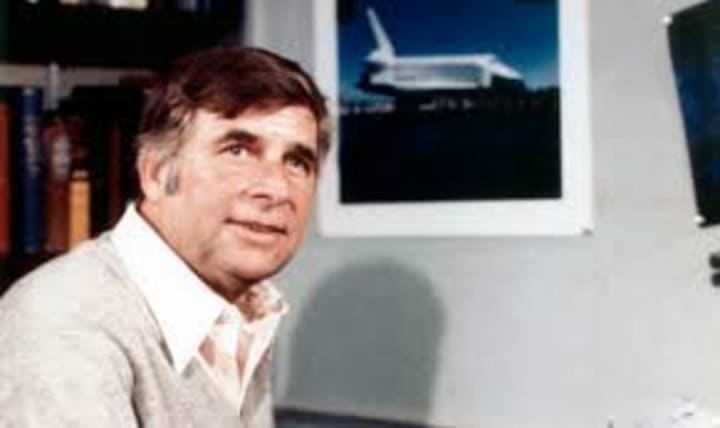
The Gene Roddenberry Quote That Sounds Too Perfect
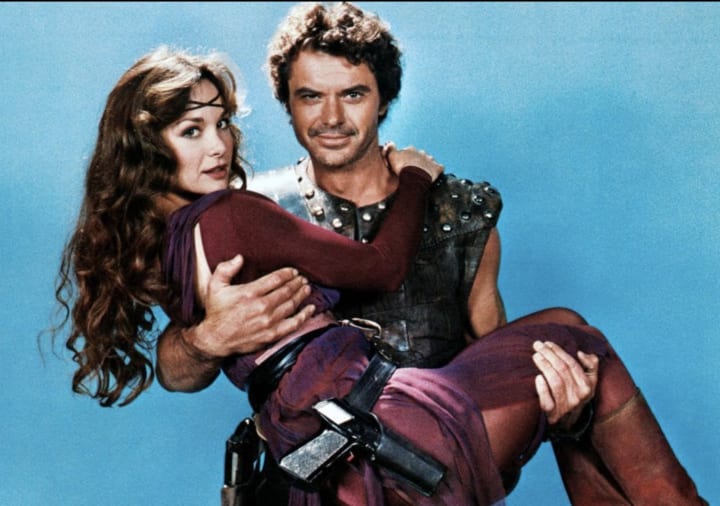
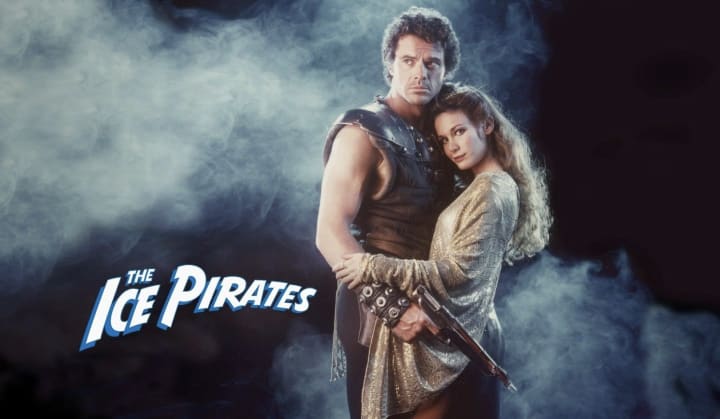
Later, curiosity drew us to the IMDb trivia page for The Ice Pirates, one of the most chaotic science fiction films of the 1980s. It’s a movie defined by tonal confusion—part parody, part space opera, part farce, and part production disaster.
There, nestled comfortably among the trivia, was a devastating quote attributed to Gene Roddenberry:
“Singularly responsible for bringing back the death penalty to California.”
It’s a perfect insult. Elegant. Brutal. Funny. Entirely in character.
And almost certainly fake.
There is no record of Roddenberry saying this. No interview transcript. No magazine feature. No convention Q&A. Nothing. No journalist ever attributed it to him. No biography mentions it.
It simply exists. Floating in IMDb’s trivia section, untethered from reality.
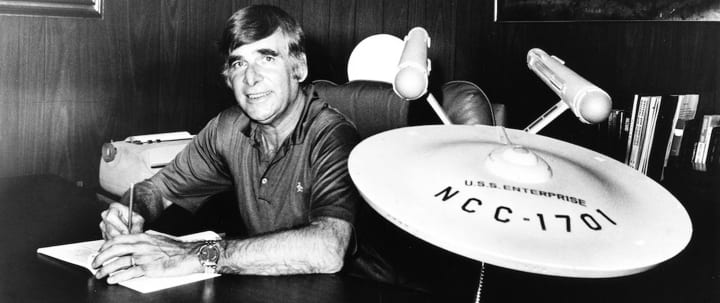
Why the Lie Feels True
The quote survives because it aligns with Roddenberry’s public persona.
He was outspoken. He criticized Star Trek II: The Wrath of Khan for betraying his utopian ideals. He publicly wrestled with the direction of his own franchise during the release of Star Trek III: The Search for Spock. He openly admitted envy toward Star Wars: A New Hope, acknowledging both resentment and admiration.
Roddenberry was capable of ego, bitterness, and sharp criticism. Which makes the quote believable.
But believability is not evidence.
Truth is not determined by whether something sounds right. Truth requires attribution.
And IMDb provides none.
How Chaos Created Opportunity
The production of The Ice Pirates itself created fertile ground for myth.
Originally conceived as a serious science fiction epic, the film lost over half its budget before filming began. Director Stewart Raffill and screenwriter Stanford Sherman were forced to reinvent the project on the fly, reshaping it into something cheaper, stranger, and tonally unstable.
The result was a film that felt like a compromise in motion.
Meanwhile, Metro-Goldwyn-Mayer was collapsing under disastrous leadership from David Begelman. The studio’s instability became industry gossip, and The Ice Pirates became a symbol of MGM’s creative and financial decline.
All of this created narrative gravity. The film became a punchline. And punchlines attract invented quotes.
It’s easy to imagine Roddenberry saying it.
So someone decided he did.
IMDb’s Fundamental Problem: Authority Without Verification
Unlike Wikipedia, which requires citations and allows collaborative correction, IMDb’s trivia system has historically operated with minimal transparency. Contributions are moderated, but attribution is not required. Sources are rarely visible. Accountability is minimal.
This creates a dangerous illusion.
Because IMDb looks authoritative, users assume it is authoritative.
The interface presents trivia beside verified credits, collapsing the distinction between fact and rumor. There is no visual hierarchy separating documented truth from anonymous speculation.
Everything looks equally real.
This is how myths become history.
The Psychology of Movie Myths
False trivia spreads not because people are malicious, but because people love stories.
A secret cameo is more exciting than the absence of one. A savage quote is more satisfying than silence. A myth feels richer than a mundane truth.
Over time, repetition becomes validation.
People quote IMDb. Blogs quote IMDb. Social media repeats it. Eventually, the myth detaches from its source entirely. It becomes “common knowledge.”
This is how history is rewritten—not through conspiracy, but through convenience.
When the Legend Becomes Fact
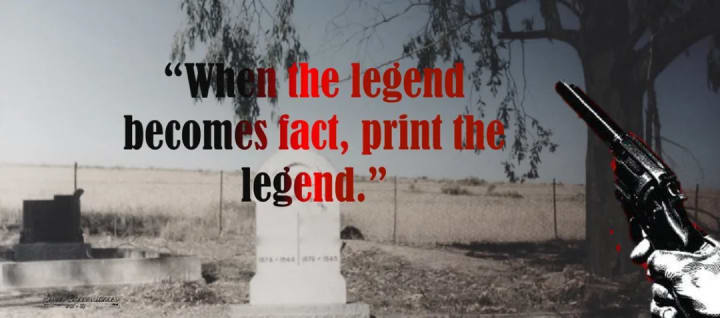
In The Man Who Shot Liberty Valance, a journalist delivers a line that perfectly captures IMDb’s philosophy:
“When the legend becomes fact, print the legend.”
IMDb does not explicitly endorse this principle. But structurally, it enables it.
Its trivia section rewards narrative appeal over documented truth. It preserves myths because removing them requires effort, evidence, and intervention—while creating them requires none.
Truth must fight for survival. Fiction merely has to exist.
Why This Matters
This isn’t about one fake quote or one invented cameo.
It’s about how easily cultural history can be altered.
For casual fans, IMDb trivia is entertainment. But for researchers, writers, and historians, it can become a trap. False information quietly contaminates articles, essays, and documentaries. Over time, misinformation spreads outward like cracks in glass.
IMDb remains invaluable. It is the most comprehensive film database ever created.
But it is not a neutral archive.
It is a living document shaped by anonymous contributors, personal agendas, half-remembered anecdotes, and the human desire to improve reality with better stories.
Sometimes IMDb tells the truth.
And sometimes it tells the story people wish were true.
Knowing the difference is the real work of film history.
About the Creator
Movies of the 80s
We love the 1980s. Everything on this page is all about movies of the 1980s. Starting in 1980 and working our way the decade, we are preserving the stories and movies of the greatest decade, the 80s. https://www.youtube.com/@Moviesofthe80s
Keep reading
More stories from Movies of the 80s and writers in Geeks and other communities.
Tank (1984) Review: James Garner’s Forgotten Tank Rampage Against Small-Town Corruption
A Father, a Son, and a Machine Built for War By 1984, James Garner had already cemented himself as one of the most effortlessly likable actors in Hollywood. He specialized in men who didn’t need to prove their toughness because it radiated naturally. In Tank, Garner plays Zack Carey, a retired U.S. Army Command Sergeant Major attempting to adjust to civilian life in rural Georgia after decades defined by military structure and sacrifice.
By Movies of the 80sa day ago in Geeks
The Death of a Digital Friend and New Life with Gemini 3 🌑✨
I’ve said it more than once: ChatGPT was my favorite. It was my "first choice" AI—from quick consultations over morning coffee ☕ to complex analyses that kept me up late into the night 🌙. My sentiment toward OpenAI wasn’t accidental; it was my first experience with such advanced intelligence. We knew each other, or at least that’s what I thought. We built a relationship over more than six months of working together. And then, a month ago, it all vanished. 🚫
By Piotr Nowak3 days ago in Geeks
Echoes
I stepped carefully around the corner, the familiar sights and sounds hitting me like a brick to the face. My eyes watered. I could practically see us, all of us, back then, clustered around the outdoor tables in front of the pizza shop, the bar, the coffee shop. I could smell the various stalls from the events we’d been to on this street. I could taste the churros and nachos.
By Phoenixica244 days ago in Fiction


Comments
There are no comments for this story
Be the first to respond and start the conversation.