
DJI Sues the FCC for “Carelessly” Restricting Its Drones
Legal battle highlights growing tensions between national security concerns and the global drone industry
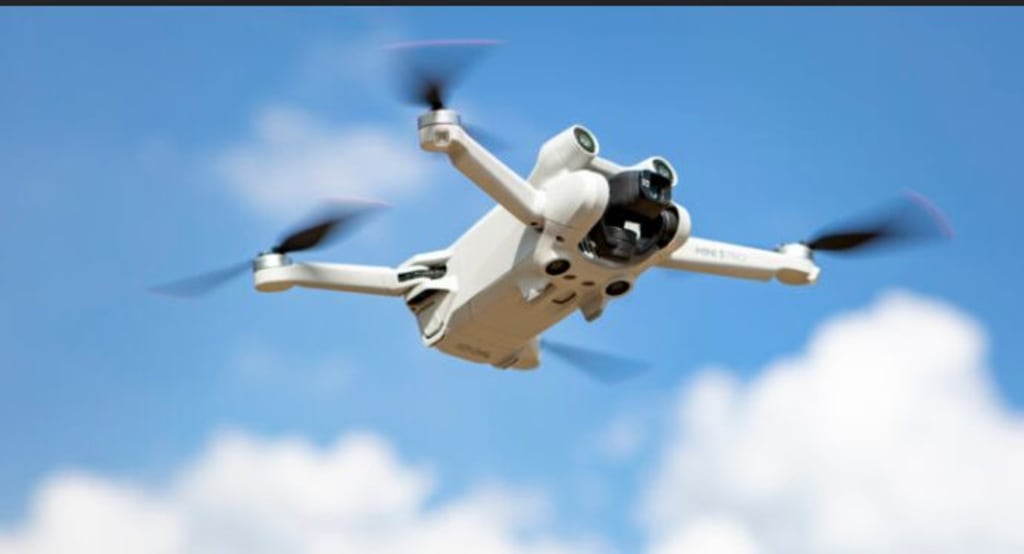
The global drone market has entered a new phase of uncertainty as Chinese drone manufacturer DJI has filed a lawsuit against the Federal Communications Commission (FCC), accusing the U.S. regulator of “carelessly” restricting its products. The case underscores a widening conflict between technology policy, national security concerns, and the commercial future of unmanned aerial systems.
At the center of the dispute is the FCC’s decision to limit or potentially block certain DJI drones from accessing U.S. communications infrastructure. DJI argues that the move lacks evidence, transparency, and due process, claiming it could damage innovation, public safety operations, and thousands of businesses that rely on drone technology.
The FCC’s Position: Security Over Convenience
U.S. regulators have increasingly scrutinized foreign-manufactured technology, particularly products linked to China. The FCC has raised concerns that certain communications equipment could pose national security risks, especially devices capable of transmitting data across networks.
Drones, by nature, collect video, mapping data, and geolocation information. Officials worry that such data could be vulnerable to unauthorized access or misuse. While the FCC has not accused DJI of specific wrongdoing in court filings, the broader policy environment reflects Washington’s cautious approach toward foreign tech suppliers.
This approach mirrors earlier actions against telecommunications firms and infrastructure providers, where regulators sought to limit reliance on equipment perceived as high risk. For policymakers, the priority is preventing potential vulnerabilities before they emerge — even if that means restricting widely used products.
DJI’s Argument: A Lack of Evidence
DJI’s lawsuit centers on the claim that the FCC’s restrictions were implemented without clear technical justification. The company argues that regulators relied on general geopolitical concerns rather than concrete proof that its drones pose a security threat.
According to DJI, its products are used extensively by emergency responders, construction firms, farmers, filmmakers, and environmental researchers across the United States. The company says limiting access could disrupt operations that depend on reliable aerial data.
DJI also emphasizes its efforts to address security concerns, including data-control features, local storage options, and third-party audits. The firm contends that regulators should evaluate products on technical merit rather than country of origin.
In legal filings, DJI portrays the restrictions as harmful not only to its business but also to American users who benefit from affordable and advanced drone technology.
A Market Dominated by One Player
The stakes are high because DJI has long been the dominant force in consumer and professional drones. Its products are known for ease of use, camera quality, and competitive pricing, allowing the company to capture a significant share of the global market.
For many small businesses and public agencies, switching away from DJI could mean higher costs or reduced capabilities. Competing drone manufacturers exist, particularly in the U.S. and Europe, but they often operate in niche segments or at higher price points.
Industry analysts warn that sudden regulatory shifts could reshape the drone ecosystem, potentially accelerating the growth of domestic alternatives while creating short-term disruption.
Public Safety and Commercial Impact
One of the most sensitive aspects of the dispute involves public safety agencies. Fire departments, search-and-rescue teams, and disaster response units frequently use drones for situational awareness. DJI argues that restrictions could slow adoption of tools that save lives.
Commercial sectors face similar concerns. Construction companies rely on drones for site inspections, agriculture firms use them for crop monitoring, and media organizations depend on aerial footage for reporting. If regulatory uncertainty increases, organizations may delay investments or reconsider operational strategies.
At the same time, policymakers argue that critical infrastructure should not depend heavily on a single foreign supplier. From this perspective, restrictions could encourage diversification and domestic innovation.
Geopolitics Meets Technology Policy
The lawsuit reflects a broader shift in how governments view technology supply chains. Devices once treated as consumer electronics are now evaluated through a national security lens. Drones, because of their data-collection capabilities, sit at the intersection of both worlds.
The dispute also highlights the difficulty of balancing security with market competition. Overly strict rules could limit consumer choice and slow innovation, while insufficient oversight could expose vulnerabilities.
Legal experts note that courts will likely examine whether the FCC followed proper procedures and whether its actions were supported by sufficient evidence. The outcome could shape how regulators approach similar cases involving emerging technologies.
Industry Reactions and Possible Outcomes
The drone industry is watching closely. If DJI succeeds, regulators may need to provide clearer standards and technical benchmarks when imposing restrictions. That could benefit other foreign technology firms seeking access to the U.S. market.
If the FCC prevails, however, the decision could signal a tougher regulatory climate for connected devices from overseas manufacturers. Such a ruling might accelerate investment in domestic drone development and supply chains.
Some analysts believe the most likely outcome is a negotiated compromise — one that allows DJI products to remain available under stricter security requirements, certification processes, or data-handling rules.
The Future of Drone Regulation
Regardless of the lawsuit’s result, the case highlights a turning point for drone regulation. Governments worldwide are developing frameworks that address airspace safety, privacy, cybersecurity, and supply-chain resilience simultaneously.
For companies, this means compliance is no longer just about flight rules but also about data governance and geopolitical risk. Manufacturers may need to design region-specific versions of products or adopt more transparent security practices.
For users, the debate raises questions about cost, availability, and trust in the technology they depend on.
Conclusion
DJI’s lawsuit against the FCC represents more than a corporate dispute — it is a snapshot of the evolving relationship between technology innovation and national security policy. As drones become essential tools across industries, decisions about regulation carry far-reaching consequences.
The case will likely shape how governments evaluate connected devices in the years ahead, influencing not only the drone market but also broader technology supply chains. Whether the outcome favors stricter oversight or clearer pathways for global competition, one thing is certain: the battle over drone regulation is just beginning.
In a world increasingly reliant on aerial data and automation, the balance between security and innovation will remain a defining challenge — and this lawsuit may become one of the industry’s most important test cases.
About the Creator
The Finance Director's Job Has Changed - Here's what that means for business
Not long ago, the finance director (FD) was widely seen as the person who “kept the numbers straight.” Budgets, accounting oversight, compliance, controls, reporting—essential work, but often backward-looking and reactive.
By Adrian Lawrence4 days ago in Journal


Comments
There are no comments for this story
Be the first to respond and start the conversation.