
Reproductive Years
Reproductive Years: Hormones in Motion

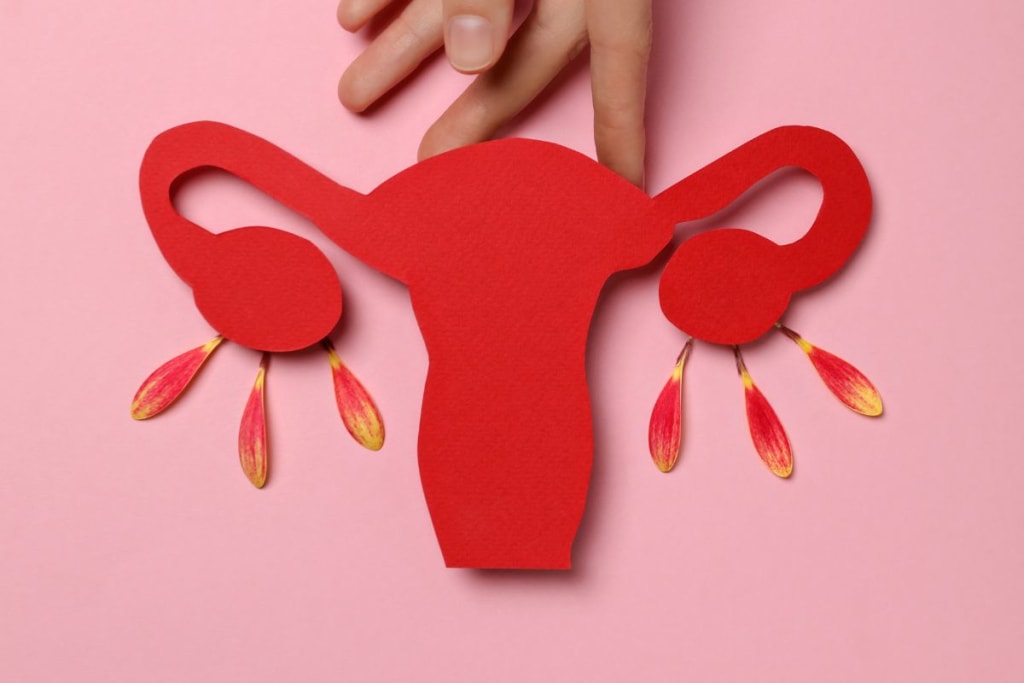
The reproductive years are one of the most dynamic phases in a woman’s life. Spanning roughly from the late teens through the 30s (and sometimes into the early 40s), this stage is defined by active hormonal cycles that regulate menstruation, fertility, mood, metabolism, and overall physical health.
Understanding how hormones function during this time helps women better interpret body signals, maintain wellness, and make informed lifestyle and healthcare choices. Stories today from women and health experts continue to highlight how increased awareness of hormonal health is empowering individuals to track their cycles, recognize early signs of imbalance, and take proactive steps toward long-term well-being.
The Hormonal Symphony Inside the Body
During the reproductive years, the endocrine system works like a carefully coordinated orchestra. Key hormones—including estrogen, progesterone, luteinizing hormone (LH), and follicle-stimulating hormone (FSH)—rise and fall in predictable patterns each month. These hormonal fluctuations control the menstrual cycle, ovulation, and preparation of the uterus for pregnancy.
Estrogen dominates the first half of the cycle, supporting egg development, thickening the uterine lining, and contributing to glowing skin and higher energy levels. After ovulation, progesterone becomes more prominent, helping stabilize the uterine lining and preparing the body for possible pregnancy. If pregnancy does not occur, hormone levels drop, triggering menstruation and starting the cycle again.
Monthly Changes Women Commonly Experience
Because hormones shift throughout the cycle, women often notice physical and emotional variations at different times of the month. For example:
- Early cycle: Energy may feel higher, focus improves, and workouts feel easier.
- Ovulation phase: Confidence and sociability may increase.
- Pre-menstrual phase: Some women experience fatigue, irritability, bloating, or cravings.
- Menstruation: Lower hormone levels may cause tiredness or mild discomfort.
These patterns are natural responses to hormonal rhythms, not signs of illness. Tracking cycles can help women understand personal patterns and plan activities accordingly.
The Role of Hormones in Fertility
Hormonal balance is essential for fertility. Ovulation—the release of an egg from the ovary—depends on precise hormonal signals between the brain and ovaries. Even small disruptions, such as stress, poor nutrition, excessive exercise, or sleep deprivation, can affect ovulation timing.
Regular menstrual cycles generally indicate that hormonal communication is functioning well. Irregular cycles, missed periods, or unusually heavy bleeding may signal hormonal imbalances and should be evaluated by a healthcare professional.
Physical Changes During Reproductive Years
Hormones influence more than reproduction; they affect nearly every system in the body. During these years, women may experience:
- Changes in skin texture or acne levels
- Variations in hair growth or thickness
- Weight distribution shifts
- Breast tenderness or fullness
- Fluctuations in appetite and metabolism
These changes often correspond with hormonal peaks and dips rather than permanent physical alterations. Lifestyle habits such as balanced nutrition, hydration, and physical activity can help stabilize these effects.
Emotional and Mental Health Connection
Hormones also interact closely with neurotransmitters in the brain, which regulate mood and emotional responses. Some women feel more sensitive or anxious before their period, while others experience improved mood during ovulation. This mind-body link is completely biological.
Understanding this connection can reduce self-judgment and help women develop coping strategies such as journaling, relaxation techniques, or adjusting workloads during lower-energy phases.
Pregnancy and Postpartum Hormonal Shifts
If pregnancy occurs, hormonal activity intensifies dramatically. Estrogen and progesterone levels rise to support fetal development, blood volume increases, and metabolism adapts. After childbirth, hormone levels drop rapidly, which can influence mood, hair growth cycles, and energy levels.
Postpartum recovery varies widely between individuals. Some women feel balanced quickly, while others need months for hormones to stabilize. Adequate rest, nutrition, and emotional support are essential during this transition.
Lifestyle Factors That Affect Hormonal Balance
Hormones are sensitive messengers that respond to internal and external environments. Several everyday habits can influence hormonal stability:
- Sleep: Poor sleep disrupts hormone production and can affect cycles.
- Stress: Chronic stress elevates cortisol, which may interfere with reproductive hormones.
- Diet: Nutrient deficiencies—especially iron, vitamin D, and healthy fats—can impact hormonal health.
- Exercise: Moderate activity supports balance, but excessive training may suppress ovulation.
Maintaining consistency in daily routines often leads to more predictable cycles and improved overall well-being.
When to Seek Medical Advice
While fluctuations are normal, certain symptoms may indicate underlying issues requiring medical attention. These include:
- Extremely painful periods
- Absence of menstruation for several months
- Very heavy bleeding
- Severe mood changes
- Persistent fatigue
Early evaluation can identify concerns such as hormonal disorders, thyroid imbalance, or reproductive health conditions and allow timely treatment.
Embracing the Natural Rhythm
The reproductive years are not just about fertility—they represent a period of powerful biological activity that supports growth, vitality, and resilience. Instead of viewing hormonal changes as inconvenient, many experts encourage women to see them as natural signals that provide insight into overall health.
Learning to recognize these rhythms empowers women to align their lifestyle, nutrition, and self-care practices with their body’s needs. This awareness builds confidence, reduces anxiety about normal fluctuations, and promotes long-term health.
About the Creator
Stories Today
Stories Today is a place where real people share real stories, and that’s it. We believe every person has an incredible story to tell.
Visit us:https://storiestoday.co.uk/
Keep reading
More stories from Stories Today and writers in Viva and other communities.
Inspirational Stories of Women Leading Change Today
In an era marked by rapid change, complex global challenges, and evolving social norms, women everywhere are rising to lead, innovate, and inspire. From teenagers creating solutions for their communities to seasoned leaders breaking barriers in science, sustainability, and social advocacy, the stories of women today reveal resilience, courage, and transformational impact. These narratives not only celebrate individual success — they help reshape what is possible for future generations.
By Stories Today2 months ago in Viva
Why I’m Telling My Friends to Skip the Solitaire for a Diamond Band
Let’s have an honest conversation about engagement rings. For decades, we’ve been fed the same narrative: a proposal requires a giant, protruding diamond that costs three months' salary and stands so high off the finger it could practically have its own postcode. But as we move further into 2026, many of us are asking: Is that really what we want?
By Mohd Kaish6 days ago in Viva
The Infinite Sparkle: Why the Women’s Diamond Engagement Band Represents Modern Commitment
In the landscape of romance, symbols evolve. For a long time, the size of a diamond was seen as a direct reflection of a partner's success or the depth of their devotion. But as we navigate through 2026, the narrative is changing. Today’s British bride is looking for something more intimate, more wearable, and more symbolic. This shift has placed the women’s diamond engagement band at the very heart of modern proposals.
By Mohd Kaish7 days ago in Viva


Comments
There are no comments for this story
Be the first to respond and start the conversation.