humanity
For better or for worse, relationships reveal the core of the human condition.
33 and a Light Breeze
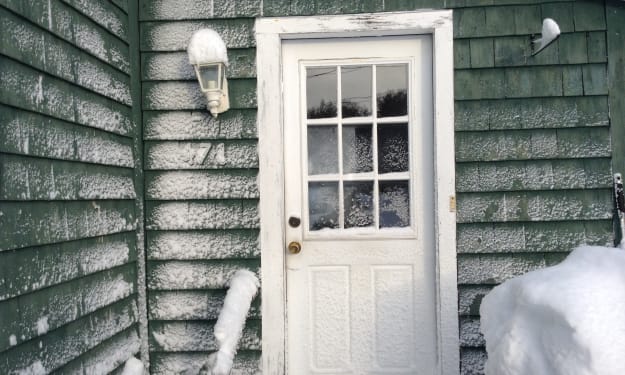
Expect today's high to rise to 33 degrees Fahrenheit with a slight breeze. A slight breeze, my ahs. The flags in the front circle are flapping in a stiff wind in today's breeze. It's great for anyone walking from the north side of the hill to the south, but the return trip makes the eyes water and the nose hairs freeze.
By Mack D. Amesa day ago in Humans
Failing
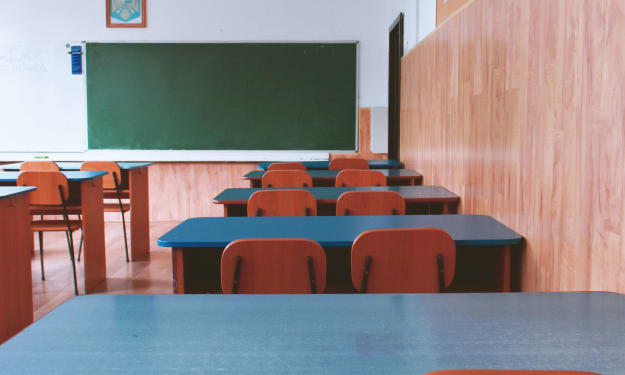
We’re all failing education. We all have to go to school, but we don’t get an education. John D. Rockefeller funded and shaped the current public education. He wanted a generation of workers. These schools taught children how to sit for eight hours and not question authority. It’s been our reality since then.
By Sama Habiba day ago in Humans
Reclaiming My Tabula Rasa
Philosophically and psychologically, I was conceived as a "blank slate", my birth pure - innocent...my consciousness a vast ocean awaiting its savoir faire of appropriate-ness for the social world on which I, unwillingly, had been thrust into. My new form, though petulant and quite sulky, still yearned in anticipation - leaning eagerly toward the accumulation of new knowledge and for my personality to be shaped by experience.
By Novel Allena day ago in Humans
When Structures Rise Without Listening
The Tower I was not born in defiance. I was born in longing. They gathered at my base with dust on their feet and stars in their eyes. Their hands trembled not from arrogance, but from memory — a faint remembering that they once touched something vast.
By Flower InBlooma day ago in Humans
Practical Magick: Applied metAlchemy
"Anyone who has never made a mistake has never tried anything new." - Albert Einstein These simple words from a complicated man embody the spirit of the third mantra of metAlchemy. Where there is surplus energy, extract it to convert it to something you can use in the future. This applies as much to walking away from arguments until you're calm enough to have discussions as it does to learning from an over-enthusiastic mishap in the kitchen that costs you dinner for the night.
By Maia Gadwall the metAlchemist2 days ago in Humans
From Resort To Nightmare
SOCIAL STANDARDS MAGAZINE February 19 2026 Andrew Strelley, international correspondent When Joshua Tadley’s friend, Matthew Besthorpe, came home from last vacation in a tropical climate, there was not exactly a happy welcome. He lay still in a box, no sign of life in his body. How did it happen?
By Moon Desert2 days ago in Humans
Australia’s Winter Olympians Ride Waves of Emotion After Games. AI-Generated.
For Australia’s athletes, the closing ceremony of the 2026 Winter Olympics marked not just the end of competition, but the release of months—sometimes years—of pressure, sacrifice, and hope. From triumphant podium moments to painful near misses, the Games delivered a powerful emotional journey for a team that continues to defy expectations in snow and ice sports traditionally dominated by colder nations. Competing across alpine skiing, freestyle, snowboarding, speed skating, and cross-country events, Australia’s contingent experienced what many described as “the full spectrum of sport.” There were tears of joy after medal performances, tears of frustration following falls and disqualifications, and quiet reflection as careers reached defining crossroads. Highs of History and Personal Bests Several Australian athletes achieved career milestones in Italy, with personal best finishes and record-breaking performances for their country. Freestyle skiers and snowboarders once again led the charge, continuing Australia’s modern Winter Olympic identity built on innovation and aerial artistry rather than traditional alpine dominance. One medalist described the moment on the podium as “surreal,” recalling years of early-morning training sessions far from home and constant travel between hemispheres. “When you hear your country announced, everything hits at once—relief, pride, and disbelief,” the athlete said. For younger competitors, the Games offered a first taste of Olympic pressure. Many spoke of nerves overwhelming them in early rounds, only to transform into confidence as they settled into the rhythm of competition. Coaches praised their resilience, noting that simply qualifying for finals in several disciplines marked progress for Australian winter sport. Heartbreak and Hard Lessons Not every story ended in celebration. A number of Australians left Italy injured or narrowly missing podium places. A promising speed skater finished fourth after clipping the inside line in the final lap, while an alpine skier crashed out during a medal run. “These moments hurt deeply,” said a team official from the Australian Olympic Committee. “But they are also part of what shapes athletes into champions. Loss teaches as much as victory.” Several athletes admitted they struggled emotionally in the days after elimination. Some questioned their futures in elite sport, while others leaned on teammates and family members who traveled to support them. Mental health staff embedded with the team worked around the clock, emphasizing recovery not just of muscles but of morale. The Emotional Toll of Distance For Australians, the challenge of winter sport begins long before the Olympics. Training often means living overseas for months at a time, separated from family and familiar surroundings. That distance magnified the emotions of the Games. “Win or lose, you suddenly feel everything you sacrificed,” said one snowboarder. “Birthdays missed, homesickness, injuries—it all comes rushing back.” Yet many athletes also spoke of gratitude. They described Italy’s mountain venues as inspiring and the crowds as warm and curious about Australia’s presence in winter competition. The unique setting of Milan-Cortina 2026 offered a blend of urban excitement and alpine drama that heightened the emotional atmosphere. Looking Ahead As the team returns home, attention turns toward recovery and renewal. Some veterans hinted that these Games may have been their last, while younger athletes are already focused on the next Olympic cycle. Sports administrators say the emotional experiences of Italy will shape training programs, particularly around mental resilience and injury prevention. Public reaction in Australia has been largely positive, with fans praising both medalists and those who showed courage in defeat. Social media filled with messages celebrating effort as much as outcome, reinforcing a national identity that values grit and perseverance. For Australia’s Winter Olympians, the Games were not just a competition—they were a test of character. Triumph and heartbreak came side by side, bound together by national pride and personal sacrifice. As one athlete reflected before boarding the flight home: “You come here chasing medals. You leave with memories that will last forever. And sometimes, those memories mean even more than the podium.”
By Fiaz Ahmed 2 days ago in Humans
500 Passengers Forced to Spend Night on Grounded Planes After Heavy Snow Cancels Flights and Airport Staff Go Home. AI-Generated.
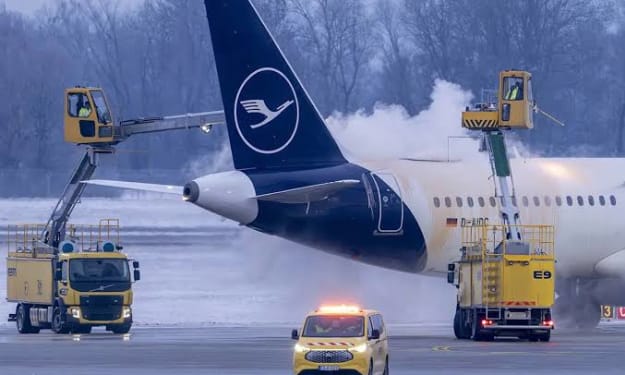
Severe winter weather wreaked havoc at Manchester Airport over the weekend, leaving more than 500 passengers stranded on grounded planes as flights were canceled and airport staff were sent home. The incident highlights the vulnerability of air travel during extreme weather and the challenges airlines face in ensuring passenger safety and comfort. The snowstorm, which swept across the north of England, brought freezing temperatures, icy runways, and visibility conditions deemed unsafe for takeoffs and landings. Airlines quickly canceled dozens of flights, but the rapid escalation left hundreds of travelers caught between the tarmac and terminals. Passengers described long waits on stationary planes, sometimes exceeding six hours, without access to food, blankets, or adequate heating. Families with young children and elderly travelers faced particular hardship, prompting complaints on social media and calls for better contingency planning. “I couldn’t believe it,” said one traveler. “We were on the plane, the engines off, windows frosted over, and staff kept apologizing but saying there was nothing they could do. People were freezing and anxious — it was frightening.” Airline and Airport Response Airport authorities and airline representatives confirmed the cancellations, citing safety as the top priority. “We understand the inconvenience to passengers,” said a spokesperson for one major carrier. “However, pilot safety assessments and airport operating conditions dictated that flights could not proceed. The weather was unprecedented in its intensity and impact.” Critics argue that contingency plans fell short. Many flights were left at gates with limited support for passengers, while airport staff numbers were insufficient to manage the situation effectively. Some travelers reported that buses and shuttle services to nearby hotels were unavailable, as the airport directed personnel to safety or allowed them to leave after extended hours. In response, the Civil Aviation Authority noted that airlines are responsible for providing assistance under UK passenger rights regulations, including access to meals, refreshments, and accommodations when delays extend overnight. Investigations are ongoing to determine whether protocols were fully followed. Passenger Experiences For many, the ordeal was more than inconvenient — it was physically and emotionally taxing. Some passengers improvised makeshift blankets from jackets, while others tried to sleep upright in cramped airplane seats. Parents struggled to keep children calm, and individuals with medical conditions reported stress and discomfort. Social media posts from those affected quickly went viral, sparking a broader debate about airport preparedness and the adequacy of staff training for extreme winter conditions. Passenger rights groups called for airlines to improve emergency communications and to guarantee accommodations for anyone stranded by severe weather. “This was a logistical failure, not just a weather problem,” said one advocate. “Passengers should not be forced to spend the night on planes without basic amenities. Airports and airlines need better crisis management protocols.” Looking Forward Airports across the UK are reviewing their emergency procedures following the incident. Lessons learned are expected to inform policies for staff allocation, passenger care, and communication strategies during extreme weather events. Airlines are also assessing scheduling and staffing flexibility to minimize passenger hardship during similar conditions in the future. Despite the disruptions, no injuries were reported, and all passengers were eventually accommodated in nearby hotels or rescheduled for flights the following day. Still, the experience has left a mark, raising questions about how the aviation industry can better prepare for increasingly frequent and severe winter storms. For travelers, the incident serves as a stark reminder to plan for weather-related delays, carry essential supplies, and remain patient when nature intervenes. For airlines and airports, it is a call to action to ensure that passenger welfare remains a priority, even when flights cannot take off.
By Fiaz Ahmed 2 days ago in Humans
It helps with loneliness’: grief, play and the power of lifelike dolls - photo essay. AI-Generated.
In quiet living rooms, therapy centers, and private bedrooms across the world, lifelike dolls are serving a role that goes far beyond mere playthings. Known as “reborn dolls,” these hyper-realistic figures are providing comfort, companionship, and a sense of connection for individuals grappling with grief, loneliness, and social isolation. For some, the dolls are a tool to process the loss of a child, sibling, or parent. For others, they help alleviate the profound isolation that comes with aging or mental health struggles. Each doll is crafted with meticulous attention to detail — down to veins, eyelashes, and hand-painted nails — creating a near-lifelike presence that evokes emotional response. Healing Through Touch Grief counselors and psychologists note that caring for a lifelike doll can provide a therapeutic outlet for those who feel stuck in sorrow. “Touch is a critical part of human emotion,” says Dr. Samantha Yates, who specializes in bereavement therapy. “For people who have lost a child or a partner, holding a doll that resembles their loved one can provide a controlled space to express affection, sadness, or longing.” Many parents who have experienced infant loss describe a unique connection with these dolls. One mother, who asked to remain anonymous, shared: “I know it’s not my child, but cradling her, feeding her, even just holding her brings a sense of peace I didn’t think was possible. It’s a small bridge between grief and acceptance.” Combating Loneliness The appeal extends beyond grief. Seniors living alone or individuals struggling with social anxiety often form attachments to dolls, using them as companions during meals, walks, or daily routines. Online communities for lifelike doll enthusiasts have grown rapidly, with forums, social media groups, and virtual meetups where owners share care techniques, photographs, and personal stories. “It helps with loneliness in a way that talking to a screen can’t,” says James O’Connor, who lives alone in rural Oregon. “You can’t replace human connection entirely, but there’s comfort in being needed, even by a doll.” Artistry Meets Emotion The craft behind reborn dolls is a meticulous art form. Artists spend weeks creating a single doll, layering silicone or vinyl, hand-painting skin tones, adding rooted hair, and sometimes embedding weighted elements to replicate the feel of a real baby. The end result is a figure that can evoke deep emotional responses from its owner — from joy to sorrow. Photographers and documentarians have begun capturing these intimate interactions in visual essays. Close-up images of a doll nestled in someone’s arms, hands gently touching soft skin, or a quiet scene at a bedside, reveal both the artistry of the dolls and the profound human need for connection. These photo essays invite viewers to consider the nuanced ways people seek comfort and care when conventional relationships are absent or interrupted by loss. A Controversial Comfort Not everyone understands the practice, and some critics question whether reliance on dolls might interfere with processing grief or forming real-world relationships. Psychologists note that while dolls can be helpful, they are most effective when integrated into broader emotional support systems, including counseling, family, and social networks. Yet for many, the dolls are more than objects — they are companions, allies, and symbols of hope in a world where isolation and loss are widespread. “People need to feel connection,” says Dr. Yates. “Whether it’s through a friend, family, or a lifelike doll, the need for empathy and touch is universal.” As this quietly growing phenomenon gains visibility, it challenges conventional ideas of play, therapy, and emotional support. These dolls may not solve loneliness or heal grief entirely, but they offer solace, a tangible sense of presence, and, for those who hold them close, a measure of peace in difficult times.
By Fiaz Ahmed 2 days ago in Humans