
Fitness and Healthy Lifestyle Habits for Women: A Practical, Updated Guide
Women’s Fitness & Health Guide for Strength and Balance


Women’s health and fitness needs are unique and constantly evolving. From hormonal fluctuations and metabolic differences to life stages like pregnancy, postpartum recovery, and menopause, a woman’s body goes through dynamic changes. In 2026, the focus has shifted from extreme dieting and overtraining to sustainable habits, strength-building, hormonal balance, and mental well-being. Here’s an informative and up-to-date guide to building a healthy lifestyle that truly supports women’s long-term health.
1. Prioritising Strength Training
One of the biggest shifts in women’s fitness over the last few years is the growing emphasis on strength training. Research consistently shows that resistance training improves muscle mass, bone density, metabolism, and insulin sensitivity.
For women, this is especially important because bone density naturally declines with age, increasing the risk of osteoporosis. Lifting weights 2–4 times per week can significantly improve bone strength and reduce injury risk.
Strength training does not necessarily mean heavy gym sessions. It can include:
- Bodyweight exercises (squats, lunges, push-ups)
- Resistance bands
- Dumbbell or barbell training
- Pilates-based resistance workouts
The key is progressive overload—gradually increasing resistance or intensity over time.
2. Supporting Hormonal Health
Hormones influence energy levels, mood, metabolism, and fat distribution. Women experience cyclical hormonal changes due to the menstrual cycle, and fitness routines can be adjusted accordingly.
Follicular phase (after period): Higher energy levels; ideal for strength training and high-intensity workouts.
- Ovulation: Peak strength and performance.
- Luteal phase (before period): Focus on moderate training, walking, yoga, and recovery.
- Menstrual phase: Gentle movement, stretching, or rest if needed.
Cycle syncing—aligning workouts with hormonal phases—has become a popular and evidence-informed approach. While not mandatory, many women find it helpful in preventing burnout and fatigue.
3. Balanced Nutrition Over Diet Culture
Extreme calorie restriction and fad diets are increasingly discouraged. Instead, nutrition experts recommend balanced, whole-food-based eating patterns that include:
- Lean proteins (eggs, legumes, fish, tofu, chicken)
- Healthy fats (nuts, seeds, olive oil, fatty fish)
- Complex carbohydrates (whole grains, fruits, vegetables)
Fibre-rich foods for gut health
Women also need adequate iron, calcium, vitamin D, B12, and omega-3 fatty acids. Iron deficiency is common due to menstruation, and low vitamin D levels are widespread globally.
Instead of cutting entire food groups, focus on portion awareness, protein intake (roughly 1.2–1.6g per kg body weight for active women), and hydration.
4. Gut Health and Digestion
Emerging research in 2025–2026 highlights the connection between gut health, mood, immunity, and weight regulation. Women, particularly those with conditions like PCOS or thyroid disorders, may experience digestive sensitivity.
To support gut health:
- Include fermented foods like yogurt, kefir, and kimchi
- Add fibre gradually (vegetables, fruits, chia seeds, flaxseeds)
- Stay hydrated
- Manage stress, as cortisol impacts digestion
A diverse diet supports a diverse microbiome, which is linked to better metabolic and immune health.
5. Cardiovascular Health Matters
Heart disease remains a leading cause of death in women worldwide, yet it is often under-recognised. Cardio exercise improves heart health, circulation, and endurance.
Recommended guidelines suggest at least:
- 150 minutes of moderate-intensity exercise weekly (brisk walking, cycling)
or
- 75 minutes of vigorous activity (running, HIIT)
Low-impact options like swimming and incline walking are excellent for joint health and long-term sustainability.
6. Sleep and Recovery
Sleep is not optional—it is essential. Women often experience sleep disturbances due to hormonal changes, stress, or lifestyle pressures.
Aim for 7–9 hours of quality sleep per night. Poor sleep affects hunger hormones (ghrelin and leptin), increases cravings, and slows muscle recovery.
To improve sleep:
- Maintain consistent sleep and wake times
- Limit screen exposure before bed
- Avoid heavy meals late at night
- Reduce caffeine intake after mid-afternoon
Recovery days are equally important. Overtraining can elevate cortisol, disrupt menstrual cycles, and increase injury risk.
7. Mental Health and Stress Management
Fitness is not only physical. Women juggle multiple responsibilities, making stress management crucial. Chronic stress increases inflammation, weight gain around the abdomen, and hormonal imbalance.
Healthy stress-relief practices include:
- Yoga or breathwork
- Journaling
- Outdoor walks
- Social connection
Limiting excessive social media consumption
Mental well-being significantly influences consistency in fitness habits.
8. Life Stage-Specific Considerations
Women’s health needs evolve over time:
- 20s–30s: Build muscle, support reproductive health, manage stress.
- Pregnancy/Postpartum: Focus on pelvic floor health, gentle strength training, and recovery under professional guidance.
- 40s–50s (Perimenopause & Menopause): Prioritise strength training, protein intake, bone health, and stress control.
Metabolism may slow slightly with age, but muscle maintenance can counteract much of this change.
9. Sustainable Habits Over Quick Fixes
The updated 2026 approach to women’s fitness is sustainability. Instead of aiming for rapid weight loss, focus on habits you can maintain long-term:
- 8,000–10,000 steps daily
- Strength training multiple times weekly
- Balanced meals without extreme restrictions
- Adequate hydration (2–3 litres daily depending on activity level)
- Regular health check-ups
- Consistency outweighs intensity.
Conclusion
Fitness and healthy lifestyle habits for women are no longer about chasing unrealistic standards. The modern approach prioritises strength, hormonal balance, gut health, mental wellness, and long-term disease prevention. By building sustainable habits—rather than following short-term trends—women can support their bodies through every life stage.
About the Creator
Stories Today
Stories Today is a place where real people share real stories, and that’s it. We believe every person has an incredible story to tell.
Visit us:https://storiestoday.co.uk/
Keep reading
More stories from Stories Today and writers in Viva and other communities.
Reproductive Years
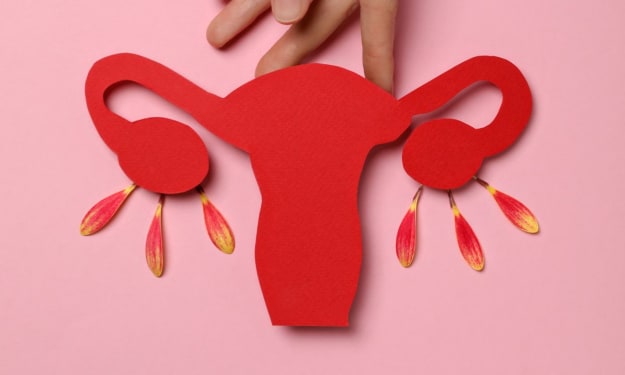
The reproductive years are one of the most dynamic phases in a woman’s life. Spanning roughly from the late teens through the 30s (and sometimes into the early 40s), this stage is defined by active hormonal cycles that regulate menstruation, fertility, mood, metabolism, and overall physical health.
By Stories Todayabout 23 hours ago in Viva
Why I’m Telling My Friends to Skip the Solitaire for a Diamond Band
Let’s have an honest conversation about engagement rings. For decades, we’ve been fed the same narrative: a proposal requires a giant, protruding diamond that costs three months' salary and stands so high off the finger it could practically have its own postcode. But as we move further into 2026, many of us are asking: Is that really what we want?
By Mohd Kaish6 days ago in Viva
The Infinite Sparkle: Why the Women’s Diamond Engagement Band Represents Modern Commitment
In the landscape of romance, symbols evolve. For a long time, the size of a diamond was seen as a direct reflection of a partner's success or the depth of their devotion. But as we navigate through 2026, the narrative is changing. Today’s British bride is looking for something more intimate, more wearable, and more symbolic. This shift has placed the women’s diamond engagement band at the very heart of modern proposals.
By Mohd Kaish7 days ago in Viva

Comments
There are no comments for this story
Be the first to respond and start the conversation.